
Hey there! I'm a supplier of home rehabilitation devices, and I often get asked about how to transport these valuable pieces of equipment. It's a crucial topic since proper transportation ensures that the devices arrive at their destination in top - notch condition, ready to assist people in their recovery journey.
First off, let's talk about why it matters. Home rehabilitation devices are designed to be precise and sensitive. Whether it's a Rehabilitation Robot Gloves that helps with hand movement or Physiotherapy Equipment for muscle stimulation, any damage during transport can render them useless or less effective.
Pre - transport Preparation
Before you even think about loading the devices onto a vehicle, you need to do some prep work. Start by cleaning the devices thoroughly. This not only makes them look good but also helps prevent the spread of germs. For electronic devices, make sure they're turned off and unplugged. Remove any detachable parts and pack them separately. This way, you reduce the risk of these small parts getting lost or damaged.
Next, gather the right packing materials. You'll need sturdy boxes that are the right size for the devices. Don't go too big, or the device will move around during transit. Bubble wrap is your best friend here. Wrap the device snugly in multiple layers of bubble wrap. For heavier or more fragile items, you might also want to use foam inserts or packing peanuts to provide extra cushioning.
Label the boxes clearly. Write "Fragile" and "This Side Up" on them. If the device has a specific way it should be oriented, make sure the label reflects that. This will help the handlers know how to handle the boxes properly.
Choosing the Right Transportation Method
There are a few options when it comes to transporting home rehabilitation devices.
Local Delivery
If the destination is nearby, local delivery can be a great choice. You can either use your own vehicle if it's big enough and you have the right equipment to secure the boxes. Or, you can hire a local courier service. Make sure to choose a service that has experience in handling fragile items. Ask them about their insurance policy in case something goes wrong during transit.

Shipping Companies
For longer distances, shipping companies like UPS, FedEx, or DHL are popular choices. They have different shipping options, from ground to air. Ground shipping is usually cheaper but takes longer. Air shipping is faster but more expensive. When you're shipping with these companies, make sure to fill out the shipping forms accurately. Provide detailed information about the contents of the package, including the value of the device. This will help in case you need to file an insurance claim.
Freight Services
If you're transporting a large number of devices or very heavy equipment, freight services might be the way to go. Freight companies specialize in moving large and heavy items. They have the right trucks and equipment to handle these loads. However, they usually require a minimum weight for shipping. So, make sure you meet their requirements.
Securing the Devices in Transit
Once you've chosen the transportation method, it's time to secure the devices. If you're using your own vehicle, use straps or ropes to keep the boxes in place. Don't let them slide around during the drive. If you're shipping with a courier or freight service, they'll have their own methods of securing the packages. But it's still a good idea to ask them about it.
For air shipping, the devices need to meet certain safety regulations. Make sure the batteries (if any) are properly packed and comply with the airline's rules. Some airlines have restrictions on shipping lithium - ion batteries, for example.
Tracking and Insurance
Tracking is an important part of the transportation process. Most shipping companies and courier services offer tracking services. You can use the tracking number to keep an eye on where your package is at all times. This gives you peace of mind, especially if the device is expensive or urgently needed.
Insurance is also crucial. Accidents can happen, no matter how careful you are. Make sure to purchase insurance for the full value of the device. Read the insurance policy carefully to understand what's covered and what's not. Some policies might exclude damage caused by improper packing, for example.
Special Considerations for Different Devices
Different home rehabilitation devices have different transportation requirements.
Finger Training For Stroke Rehabilitation Exercises At Home
These devices are usually small and relatively lightweight. But they're also very delicate. Make sure to pack them in a small, padded box. You can use a small amount of bubble wrap to protect the moving parts. Since they're often used for stroke patients, it's important that they arrive in perfect condition.
Physiotherapy Equipment
Physiotherapy equipment can range from small handheld devices to large machines. For small handheld devices, the packing process is similar to the finger training devices. For larger machines, you might need to disassemble them if possible. Make sure to label all the parts clearly so that they can be easily reassembled at the destination.
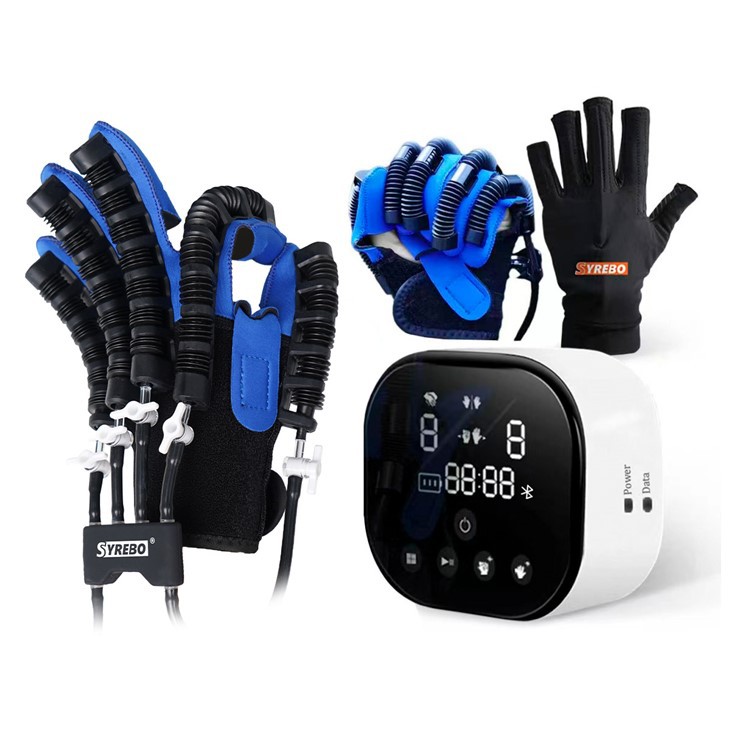
Rehabilitation Robot Gloves
These gloves are high - tech devices that need special care. They often have sensors and electronic components. Wrap them in anti - static bubble wrap to protect the electronics. Place them in a rigid box with foam inserts to prevent any bending or crushing.
Conclusion
Transporting home rehabilitation devices is a process that requires careful planning and attention to detail. By following these steps, you can ensure that your devices arrive at their destination safely and in good working condition. Whether you're a patient receiving the device or a supplier like me, proper transportation is key to getting the most out of these valuable rehabilitation tools.
If you're interested in purchasing home rehabilitation devices or have any questions about transportation, feel free to reach out. I'm here to help you with all your rehabilitation device needs.
References
- General knowledge on shipping and handling of fragile items
- Experience in the home rehabilitation device supply industry