
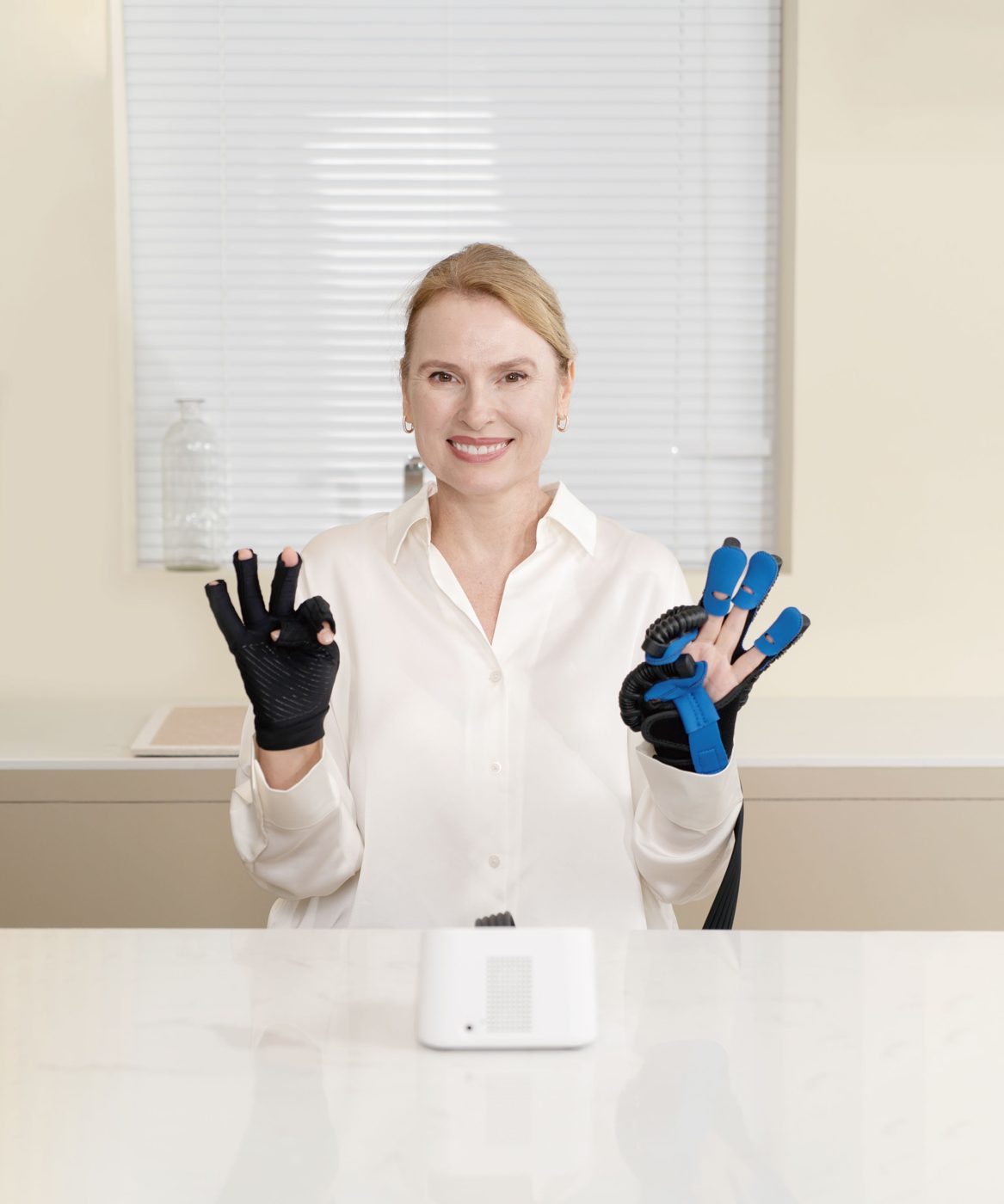
Can a paralyzed hand recover? What research says about hand paralysis treatment and realistic recovery after stroke - hopeful, honest, evidence-based....
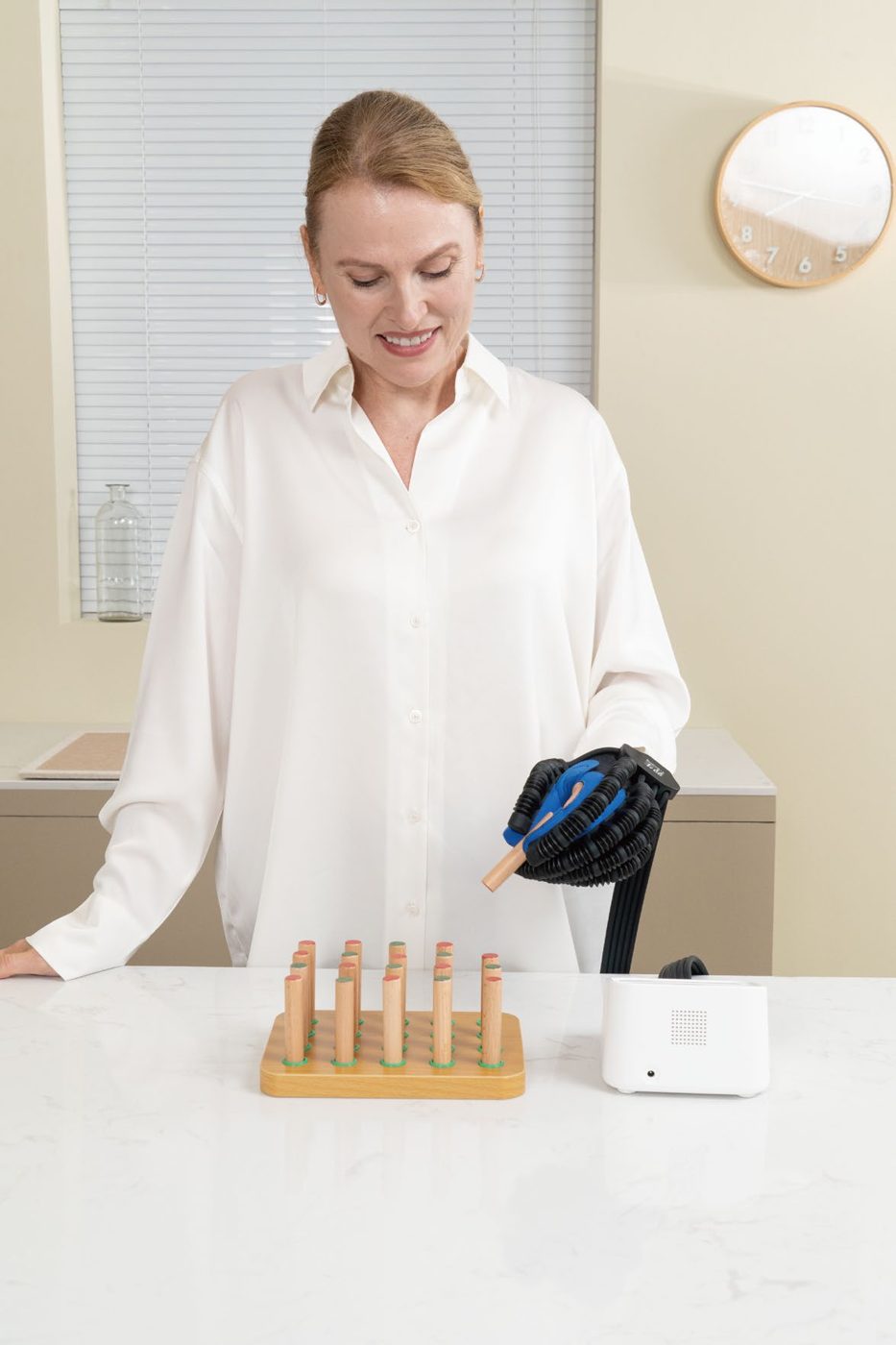
15 hand exercises for stroke patients to do at home: no-equipment stretches, small-tool drills and robot-assisted training, matched to your recovery stage....
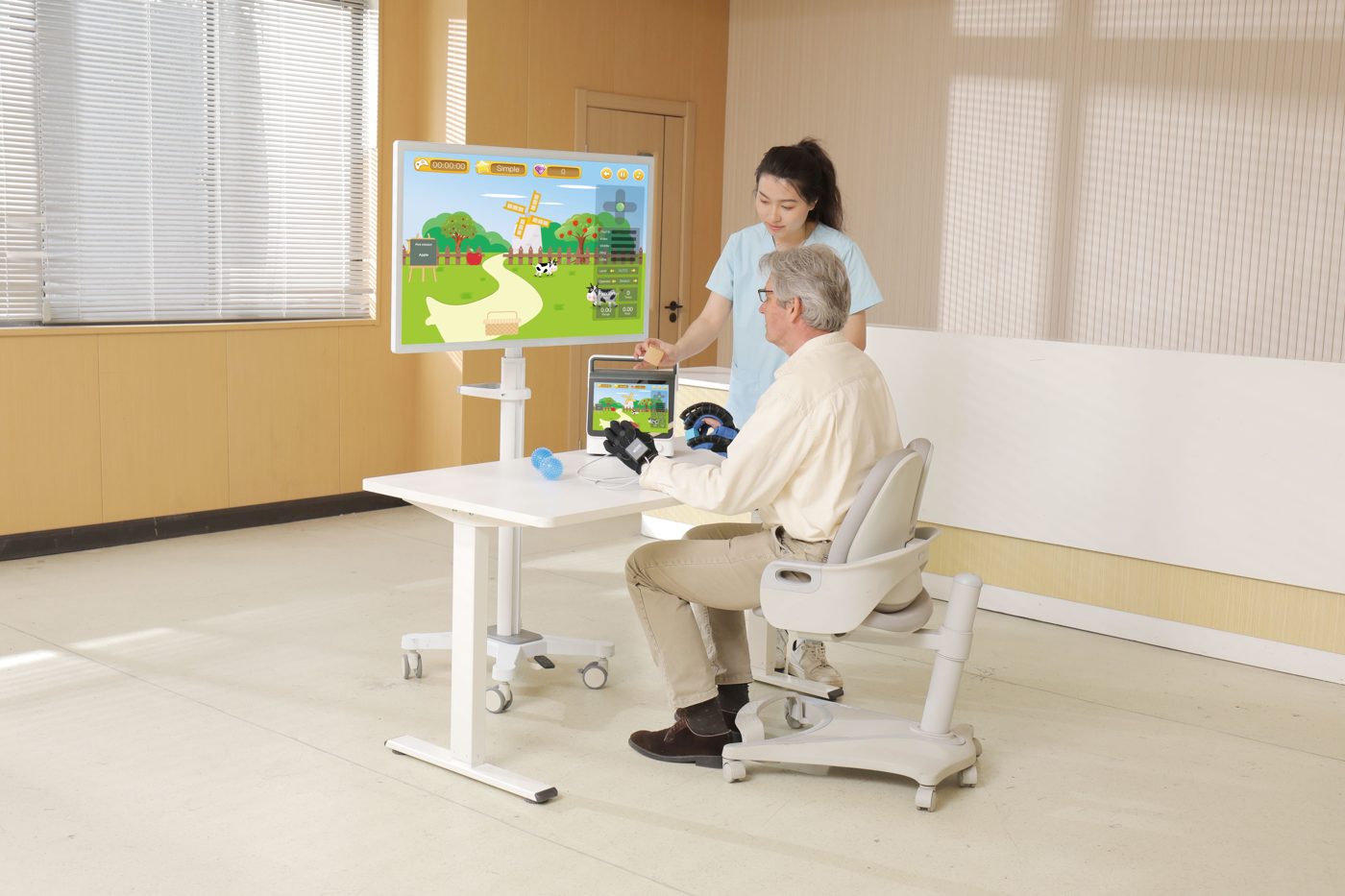
The 6 Brunnstrom stages of stroke recovery explained — a clear chart of muscle tone, synergy and the right hand therapy for each stage of recovery....
Understand the typical stroke recovery timeline — from the first 72 hours to one year and beyond — and how hand rehab devices support each stage....
Compare soft exoskeleton gloves and rigid exoskeleton systems for hand rehabilitation. Discover why Syrebo soft exoskeleton glove improves stroke recovery, neurorehabilitation outc...

Stroke, the "top health killer", becomes particularly rampant in the bitter cold of winter. According to statistics from the World Health Organization (WHO), over 15 million people...
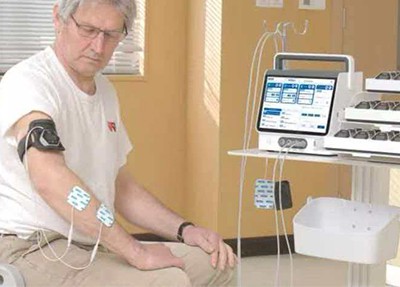
Accurate Electrode Placement = Doubled Efficacy! In the field of rehabilitation medicine, Functional Electrical Stimulation (FES) and Neuromuscular Electrical Stimulation (NMES) ha...

When a loved one experiences a stroke, it can be a profoundly challenging and emotional time for everyone involved. The journey to recovery is often long and complex, but your supp...

Mirror therapy is a unique and increasingly popular approach to rehabilitation that leverages the power of visual feedback to aid in the recovery of individuals with various motor ...
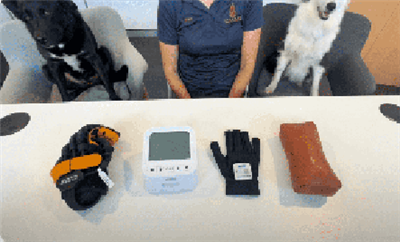
The Training Session Recommended for Syrebo E12 Glove (From Level 1 to 3) Push your rehabilitation further with the Syrebo Rehab Glove Level 3 Exercises! Designed for those with vo...

Introduction The SYREBO TENS & EMS unit combines three clinical-grade technologies-TENS (pain-relief nerve stimulation), FES (functional electrical stimulation), and NMES (neuromus...

Imagine you are squeezing a rubber ball. Nothing happens-your fingers stay still. Yet inside your skull, the motor-planning regions of your brain are already humming. The Syrebo® B...