
Developed by Swedish physical therapist Signe Brunnstrom in the 1960s, Brunnstrom stages demonstrate how the motor function is restored and the brain reorganized after stroke. Most...
Studies showed that almost 70%-80% of stroke patients have hemiplegia, aphasia, cognitive dysfunction and other sequelae, seriously affecting patients life quality; at the same tim...
We have introduced early rehabilitation, active rehabilitation and appropriate rehabilitation in the principles of neurorehabilitation in the last article. In this article, we will...
Neurorehabilitation is a complex medical process designed to aid in recovery from nervous system damage and to minimize or compensate for any resulting functional changes. For a lo...
When Stroke Strikes, No Time to Waste The signs of stroke Sudden numbness or weakness in the face, arm, or leg, especially on one side of the body. Sudden confusion, trouble speaki...
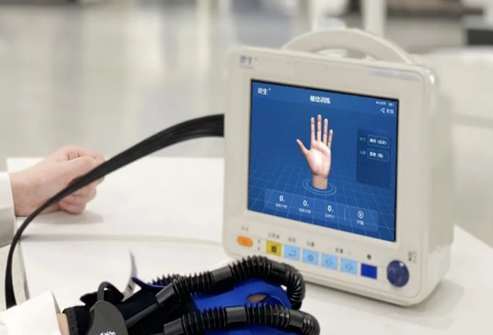
Traditional treatment methods mainly rely on therapists assisting patients to complete passive or power-assisted exercises. Some power-assisted exercises can use equipment or pulle...
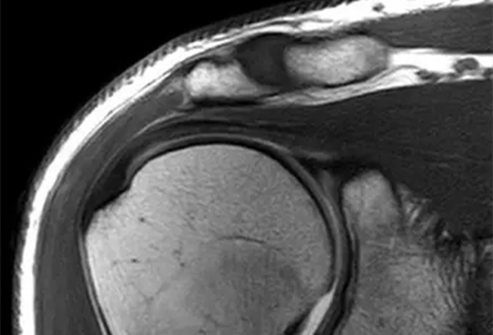
Whether the rehabilitation training is correct or not is related to the effect of the patient's functional rehabilitation. Inappropriate rehabilitation training may cause limb over...
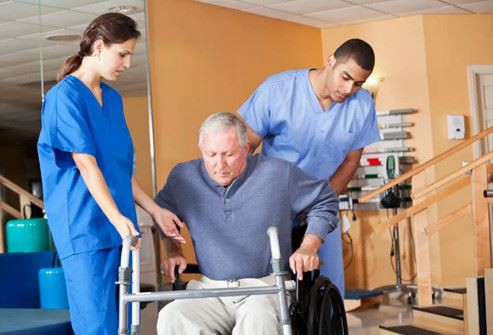
6. Group Stretch Knuckles Grab the bowl and transfer it down; the command emphasizes opening the hand and putting down the bowl. 7. Point to Point Pay attention to the direction of...
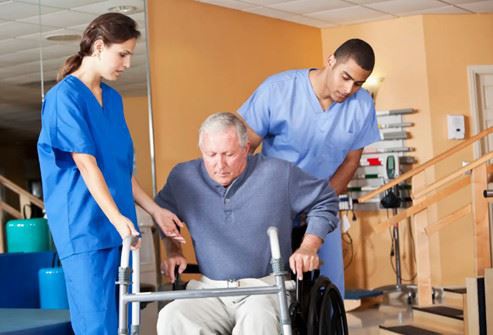
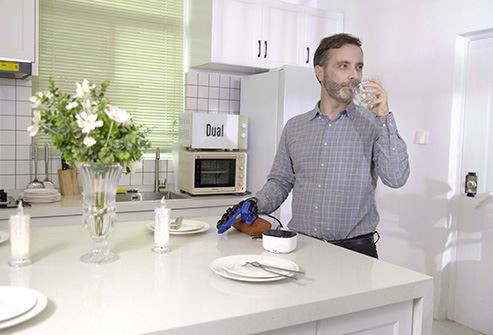
Activities of daily living training is a part of the scope of work, using the form of work activities to promote functional recovery and re-learning of normal movement patterns.Thi...

Statistics show that after stroke, only 15% of patients can recover about half of their hand function, and only 3% of patients can recover more than 70% of their original hand func...
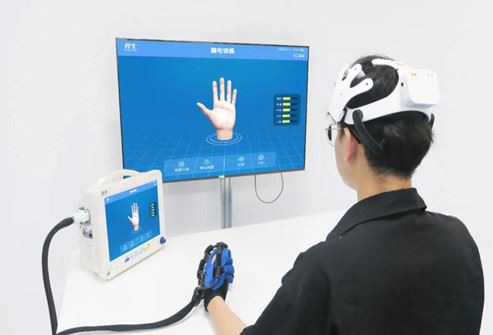
"Hand dysfunction brings great inconvenience to the patient's daily life, and the process of rehabilitation is often more difficult and long-term. Therefore, in order to achieve th...
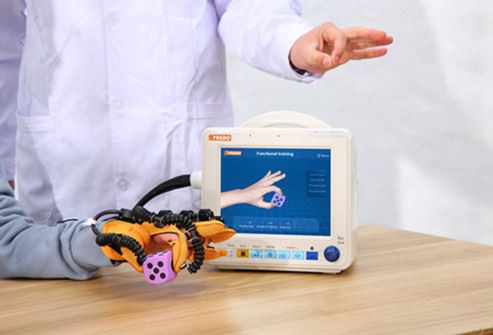
Because of large aging population and the sub-healthy lifestyle of modern people, China has became the largest country with stroke. And stroke patients are gradually getting younge...