Stroke Center
Home>Stroke Center>Content
Home>Stroke Center>Content
What "e-stim" actually means
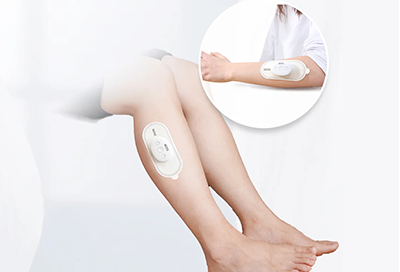
After a stroke, messages from the brain to the muscles can be blocked or scrambled. Electrical stimulation (e-stim) is one way of "jump-starting" the conversation. Small sticky pads send low-level pulses through the skin, telling the nerve and muscle to wake up and contract. The result can be anything from a faint tingle that reduces pain, to a strong, visible movement that re-opens a clenched hand or lifts a dropped foot.
The four main types of "e-stim" in rehab clinics-and in home devices
|
Type |
What it feels like |
Typical stroke goals |
|
NMES / EMS |
Firm muscle twitch or full joint movement |
Rebuild strength, stop wasting, correct shoulder subluxation |
|
FES (Functional Electrical Stimulation) |
Same twitch but timed to a task-e.g., the pulse fires exactly when you try to grasp a fork |
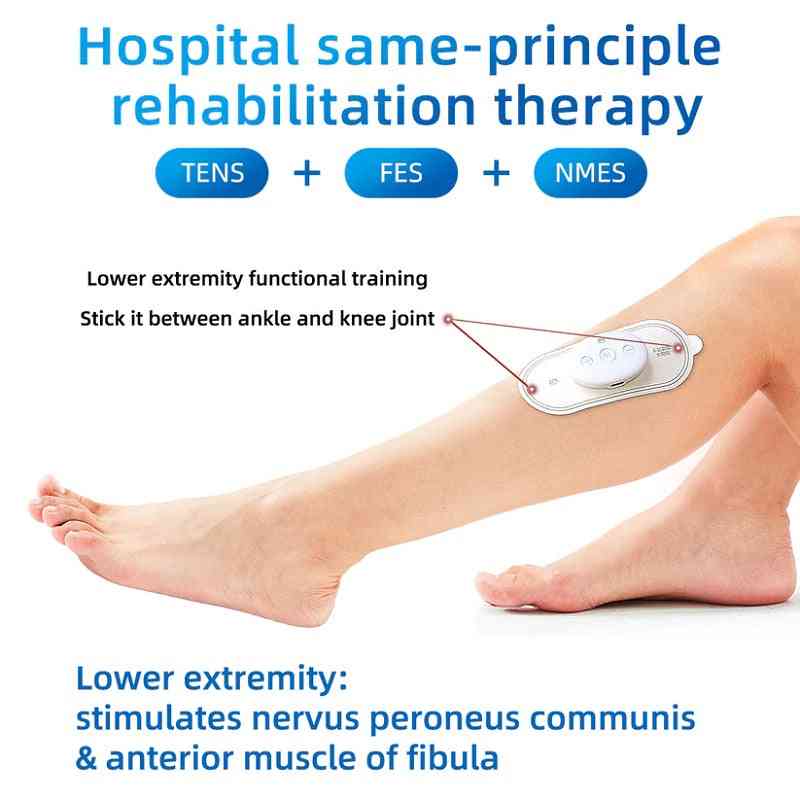
Practice real-world actions: eating, holding a phone, clearing the foot when walking |
|
TENS |
Gentle buzzing or pins-and-needles, no visible movement |
Calm nerve pain, reduce swelling, break the pain-spasm cycle |
|
SES (Sensory-level stimulation) |
Very light tapping under the pad |
Re-train numb areas, shrink spasticity, improve body awareness and "neglect" |
Why therapists love multi-mode devices
• One session can flow from pain relief (TENS) → muscle wake-up (NMES) → task practice (FES).
• You progress without buying new hardware.
• Consistency is easier: same pads, same buttons, same routine every day.
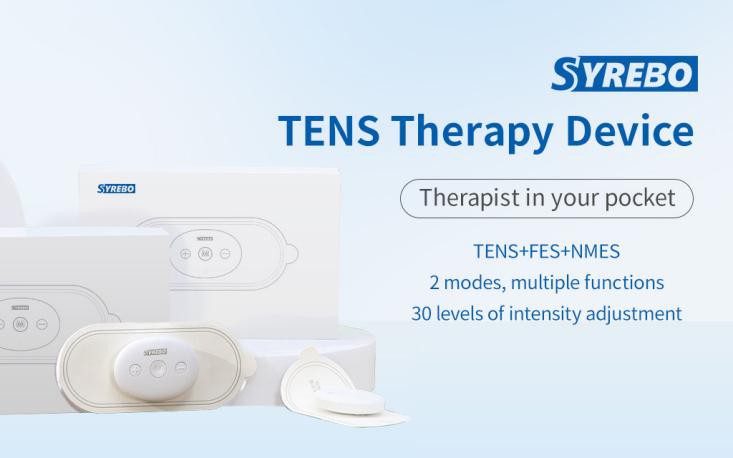
Introducing the SYREBO TENS + NMES + FES Rehab Unit
SYREBO took the same clinical protocols you would find in a hospital rehab gym and packed them into a pocket-size, rechargeable unit. Here is how the specs line up with the science you just read:
Product snapshot
• 20-min auto shut-off; stops within 10 s if pads lift
• 30 intensity levels: 1-10 gentle, 11-20 moderate, 21-30 strong
• Preset modes for hand, ankle, shoulder/neck, back, leg, swallowing-single-touch select
• TENS + FES + NMES low-frequency pulses, same tech and principle used in clinics
• Washable, reusable gel pads (≈50 uses) with easy-lift tabs, fits hand and foot muscles
Contraindications to the use of electrical stimulation:
Recovery is rarely a straight line, but every small contraction, every moment of reduced pain, and every regained movement is proof that the brain is still learning. Keep showing up, keep challenging the muscles that feel quiet, and celebrate each tiny victory-because those tiny victories add up to the big ones. You have already taken the hardest step by starting; the next pulse, the next rep, and the next day all belong to you.